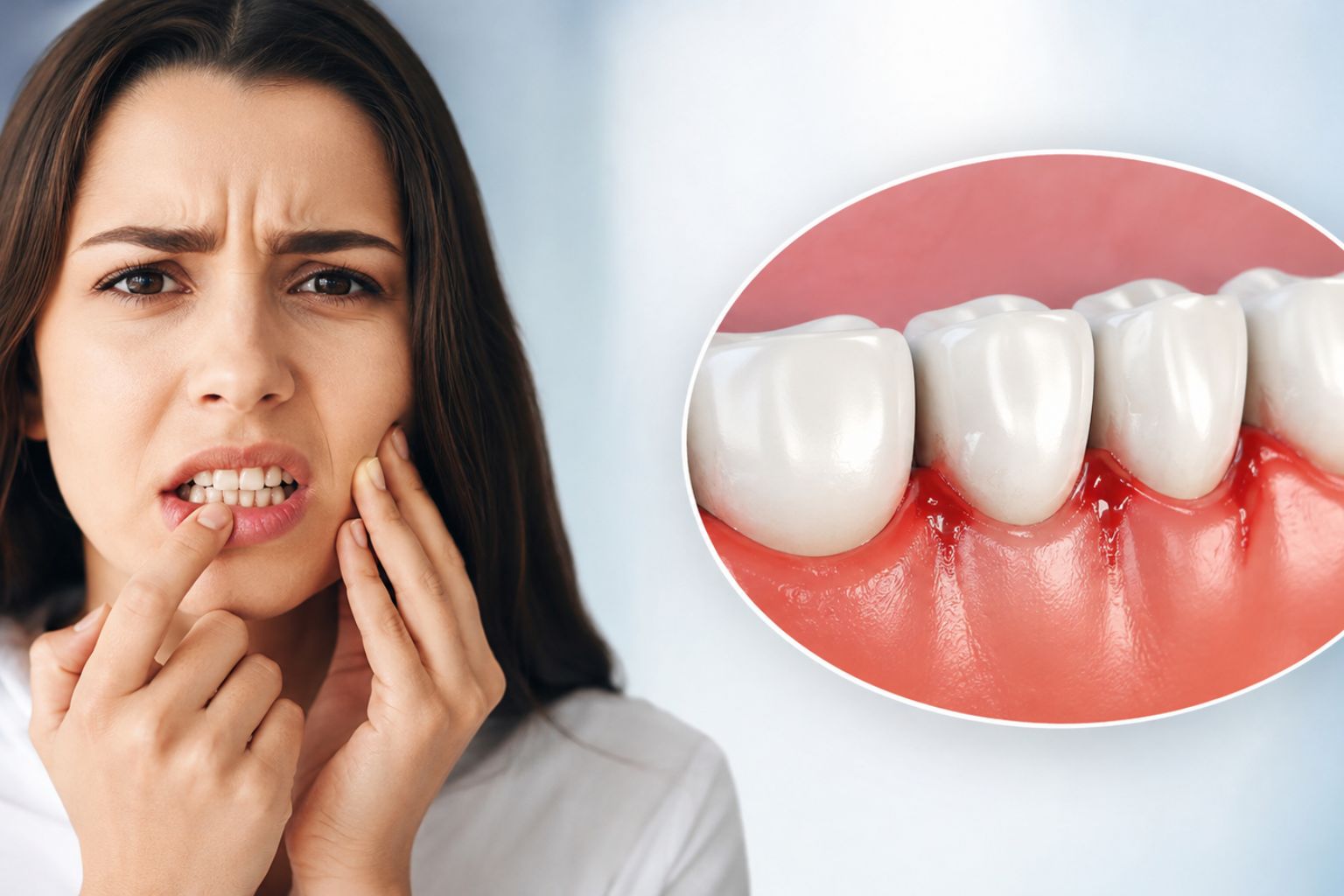
Bleeding Gums: Causes, Symptoms, Treatment & Prevention
Do your gums bleed while brushing, flossing, or eating? You may be tempted to ignore it, but gums that bleed repeatedly should not be considered normal.
In many cases, bleeding gums are caused by plaque buildup and inflammation around the teeth. If the problem is left untreated, it can progress to more advanced gum disease and may eventually affect the tissues and bone supporting your teeth.
The good news is that gum problems can often be managed effectively when identified early. Professional dental cleaning, proper oral hygiene, and appropriate treatment can help restore healthier gums and protect your teeth.
Bleeding Gums: Quick Facts
Most common cause
Plaque and tartar buildup around the teeth and gumline.
Is repeated bleeding normal?
No. Frequent bleeding should be evaluated by a dentist.
Common treatment
Professional cleaning, improved oral hygiene, and treatment based on the condition of the gums.
Can it be prevented?
Good brushing, cleaning between teeth, regular dental visits, and professional cleaning when required can reduce the risk.
When should you see a dentist?
If bleeding is persistent or occurs along with swelling, redness, bad breath, pain, pus, gum recession, or loose teeth.
What Are Bleeding Gums?
Bleeding gums are usually a sign that the gum tissue is irritated or inflamed. The most common reason is plaque, a sticky layer of bacteria that continuously forms on the teeth.
When plaque is not removed properly, it can collect around the gumline and cause inflammation. Over time, plaque may harden into tartar or calculus, which generally requires professional dental cleaning for removal.
What Causes Gums to Bleed?
Several factors can contribute to bleeding gums. The most common are related to plaque buildup and gum inflammation.
Plaque and tartar buildup
Bacteria-containing plaque can irritate the gums. If plaque remains for too long, it can harden into tartar and make gum inflammation worse.
Gingivitis
Gingivitis is an early form of gum disease. The gums may become red, swollen, tender, and more likely to bleed.
Periodontitis
Untreated gum inflammation can progress to periodontitis, a more serious form of gum disease that can affect the tissues and bone supporting the teeth.
Brushing too hard
Using excessive pressure or a hard-bristled toothbrush may irritate the gums.
Inadequate cleaning between teeth
Plaque can accumulate between teeth where a toothbrush cannot reach effectively, increasing the risk of gum inflammation.
Food trapped between teeth
Food particles that remain between teeth can irritate the surrounding gums and contribute to bacterial buildup.
Signs and Symptoms to Watch For
Bleeding may be the first symptom you notice, but gum disease can cause several other changes in your mouth.
Bleeding Gums: Gingivitis or Periodontitis?
Not every case of bleeding gums means advanced gum disease. In many people, bleeding is associated with gingivitis, an early stage of gum inflammation.
However, if gum disease is allowed to progress, the tissues supporting the teeth can become damaged. This may lead to gum recession, bone loss, tooth mobility, and eventually tooth loss in severe cases.
Gingivitis
Gums may appear red, swollen, and prone to bleeding. At this stage, appropriate professional cleaning and improved oral hygiene can often help control the inflammation.
Periodontitis
The disease has progressed deeper and can affect the supporting tissues and bone around the teeth. Treatment depends on the severity of the condition.
What Happens If Bleeding Gums Are Ignored?
Repeated bleeding is often a sign of ongoing gum inflammation. If the underlying cause is not addressed, inflammation may become more severe and can eventually affect the structures that support your teeth.
Advanced gum disease can be associated with gum recession, bone loss, tooth mobility, and difficulty maintaining the affected teeth. This is why early evaluation is preferable to waiting until symptoms become severe.
How Are Bleeding Gums Diagnosed?
A dentist will examine your teeth and gums to identify the likely cause of bleeding. The examination may include checking for plaque and tartar, gum inflammation, gum recession, pockets around the teeth, and signs of tooth or bone involvement.
Depending on your symptoms and clinical findings, your dentist may recommend additional dental investigations to understand the condition of the supporting structures.
Treatment for Bleeding Gums
The right treatment depends on why your gums are bleeding and how advanced the condition is. Treatment is aimed at controlling inflammation, removing harmful deposits, improving oral hygiene, and protecting the tissues supporting your teeth.
1. Professional Dental Cleaning
If plaque and tartar buildup are contributing to gum inflammation, professional dental cleaning can remove deposits that cannot be adequately removed with routine brushing at home.
After cleaning, maintaining good daily oral hygiene is important to prevent plaque from accumulating again.
2. Deep Cleaning for Gum Disease
When bacterial deposits are present below the gumline or gum disease has progressed, a deeper periodontal cleaning may be recommended. The goal is to clean affected areas and reduce inflammation around the teeth.
3. Improving Your Oral Hygiene
Your dentist may recommend changes to your brushing technique, toothbrush, or method of cleaning between your teeth. Small improvements in daily oral hygiene can make a significant difference to gum health.
4. Treatment for Advanced Gum Disease
Advanced periodontal disease may require more detailed treatment depending on the amount of inflammation, gum attachment, bone support, and condition of the affected teeth. Your dentist will recommend a treatment plan based on your individual examination.
Can You Treat Bleeding Gums at Home?
Good oral hygiene at home is an important part of managing gum health, but home care cannot remove hardened tartar or diagnose the severity of gum disease.
Should You Stop Brushing If Your Gums Bleed?
Usually, stopping brushing completely is not the solution. Plaque buildup can make gum inflammation worse. Instead, use a soft-bristled toothbrush and brush gently around the gumline.
If bleeding continues despite maintaining good oral hygiene, consult a dentist to identify the underlying cause.
How to Prevent Bleeding Gums
When Should You Visit a Dentist?
You should arrange a dental examination if your gums bleed regularly or if bleeding is accompanied by other symptoms.
When Should Gum Bleeding Be Taken Seriously?
Do not delay a dental evaluation if bleeding is persistent, heavy, or associated with significant swelling, pus, severe pain, loose teeth, or other major changes in your mouth.
These symptoms may indicate a more significant dental or periodontal problem that needs professional assessment.
Frequently Asked Questions About Bleeding Gums
Why do my gums bleed when I brush?
The most common reason is gum inflammation caused by plaque and tartar buildup. Brushing too aggressively can also contribute.
Are bleeding gums normal?
Repeated gum bleeding should not be considered normal. It is worth having the cause evaluated by a dentist.
Can bleeding gums be cured?
Early gum inflammation can often improve significantly with professional cleaning and good oral hygiene. More advanced gum disease may require additional treatment.
Can tartar cause bleeding gums?
Yes. Tartar around and below the gumline can contribute to gum irritation and inflammation.
Should I floss if my gums bleed?
Cleaning between the teeth is important for removing plaque. If bleeding is persistent, consult a dentist to determine the underlying cause.
Can bleeding gums cause bad breath?
Gum inflammation and bacterial buildup can contribute to persistent bad breath or an unpleasant smell from the mouth.
Can gum disease cause loose teeth?
Advanced periodontal disease can damage the tissues and bone supporting the teeth, which may result in tooth mobility.
Are Your Gums Bleeding?
If your gums regularly bleed while brushing, flossing, or eating, do not simply ignore the problem. Bleeding can be an early sign of gum inflammation and may sometimes indicate more advanced periodontal disease.
At Joy Dental, a dental examination can help identify the cause of your gum problems and determine the appropriate treatment for your teeth and gums.
Healthy gums are an important part of a healthy smile. If you are experiencing bleeding gums, swelling, bad breath, or other gum problems, consider scheduling a dental consultation.